


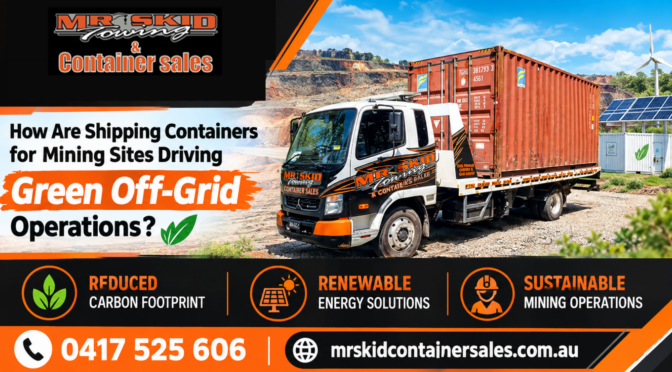
The modern mining industry is transforming through innovative containerised power solutions and modular energy systems. Shipping containers in Northern NSW now serve as self-contained data centres powering remote extraction operations. These portable mining infrastructure units combine renewable energy, battery storage, and smart technology. The shift toward sustainable mining practices is reshaping operational economics across Australia.
What Are Containerised Mining Solutions?
Shipping containers in Sunshine Coast demonstrate how modular mining systems revolutionise site operations. Standard ISO containers become compact, transportable power facilities. These units house hybrid power generation, cooling systems, and electrical distribution equipment.
Key Advantages of Container-Based Mining:
- Rapid deployment in 90 to 180 days without extensive construction
- Scalable infrastructure that grows with operational needs
- Transportable energy solutions relocate to new mining sites easily
- Integrated safety and security monitoring systems included
- Pre-packaged equipment reduces on-site installation complexity
Green Energy Integration in Off-Grid Operations
Mining operations across Brisbane and surrounding regions increasingly adopt renewable energy microgrids. Shipping containers in Warwick showcase hybrid systems combining solar panels and battery storage.
Renewable Power Options:
Modern containerised systems feature solar-hybrid technology reducing diesel dependency by 30 per cent. Battery energy storage systems (BESS) maintain power during low-generation periods. Wind integration complements solar generation in diverse climates.
Operations implementing these solutions report significant fuel cost reductions. Remote sites benefit from eliminated fuel transportation expenses. Operators gain energy independence from unstable power grids.
Environmental and Economic Benefits
The Toowoomba region demonstrates how green mining solutions lower carbon emissions significantly. Shipping containers in Beaudesert exemplify sustainable operation philosophies.
Sustainability Achievements:
- Reduced diesel consumption cuts operational expenses substantially
- Lower carbon footprint attracts environmentally conscious clients
- Energy cost savings between 15–30 per cent documented
- Modular design minimises land and water disruption
- Integrated dust suppression protects air quality effectively
Operations across Gold Coast mining sites confirm emission reduction strategies align with global decarbonisation targets. Ipswich-based facilities demonstrate cost-effective power management.
Scalability and Flexibility Features
Container-based systems provide unprecedented operational adaptability. Additional containers deploy without disrupting current installations.
Expansion Capabilities:
- Stack or arrange units horizontally for space optimisation
- Configure systems for load-sharing or redundancy automatically
- Remote monitoring through internet-connected management dashboards
- Predictive maintenance alerts prevent unexpected downtime
- Operator training simplified through standardised equipment components
Technology-Driven Monitoring and Control
Modern containerised solutions include advanced management systems. Real-time data dashboards track energy generation and consumption patterns. Expert technicians provide 24/7 remote support for operations.
Conclusion
Shipping containers for mining sites represent a fundamental shift toward sustainability. These modular green energy solutions deliver reliable power while reducing environmental impact. Mining operators across Australia achieve operational excellence through containerised solutions.
Ready to transform your mining operations with shipping containers? Contact Mr Skid Towing & Container Sales today at 0417 525 606 or visit https://mrskidcontainersales.com.au/ to discuss your requirements.
FAQs
1. What exactly is a containerised mining power system?
A containerised mining power system is a self-contained unit built inside a standard ISO shipping container. It houses hybrid power generation equipment, battery storage, cooling systems, and electrical distribution designed specifically for remote mining operations.
2. How quickly can containerised systems deploy at mining sites?
Containerised diesel and hybrid systems typically deploy between 90 to 180 days. This rapid deployment timeline significantly reduces project start-up delays compared to traditional fixed infrastructure installations.
3. What renewable energy sources integrate with containerised mining systems?
Modern systems combine solar power generation, wind energy integration, and battery storage. Hybrid configurations optimise performance across varying weather conditions and seasonal changes throughout the year.
4. How much fuel cost reduction can mining operations achieve?
Operations implementing renewable energy microgrids report fuel cost reductions between 15 to 30 per cent. Remote sites eliminate expensive diesel transportation while reducing carbon emissions significantly.
5. Are containerised systems scalable for growing mining operations?
Yes, containerised solutions offer complete scalability. Additional containers deploy without disrupting current operations, allowing gradual expansion matching operational growth and market demands.
6. What monitoring capabilities exist for off-grid mining power systems?
Advanced systems include real-time dashboards tracking energy generation, consumption patterns, and equipment performance. Remote technical support operates 24/7 with predictive maintenance alerts.
7. How do containerised systems handle power during low renewable generation periods?
Battery energy storage systems (BESS) maintain continuous power supply during cloudy days, low wind, or nighttime operations. Dual-fuel backup generators activate automatically when needed for operations.
8. What environmental benefits result from containerised green mining operations?
These systems reduce diesel consumption, lower carbon emissions, minimise water use, and decrease land disturbance. Operations achieve sustainability targets while improving air quality through integrated dust suppression technology.
9. Can containerised systems operate in harsh remote mining environments?
Absolutely, these units are engineered for extreme temperatures, high humidity, and challenging terrain. Robust equipment specifications ensure reliable operation in the most demanding conditions globally.
10. How do containerised solutions compare economically to traditional mining power infrastructure?
Containerised systems eliminate lengthy construction timelines and reduce upfront capital expenditure. Operational expenses decrease through lower fuel consumption, while modular scaling prevents over-investment in unused capacity.